Stone Masonry vs. Brick Masonry: Key Differences
People exploring stone masonry vs. brick masonry can find local contractors skilled in choosing and working with the right materials for durable, attractive stonework projects.
If you're exploring options for masonry work on your property, understanding the differences between stone masonry and brick masonry can be a valuable step in making informed decisions. Property owners in the area often consider these materials for their durability, aesthetic appeal, and long-term performance. Whether planning a new outdoor feature or restoring an existing structure, knowing what sets these two types of masonry apart can help determine the best approach for your project. Local contractors specializing in stone masonry services can provide insights into how each material performs in your specific environment, ensuring your investment stands the test of time.
Continuing to learn about the key distinctions between stone and brick masonry can reveal practical benefits that align with your property's needs. For instance, stone masonry often offers natural strength and a distinctive appearance, while brick masonry can provide a more uniform look and easier installation. Property owners in the area who want to enhance their home's exterior or create a durable feature may find that consulting with local service providers familiar with both options ensures the right choice. Keep reading to discover how these differences might influence your project and how local pros can support your masonry goals.
- Stone masonry services are often needed for historic restorations or durable exterior walls, with local contractors specializing in natural stone techniques.
- Brick masonry services are commonly sought for residential facades and interior accent walls, with service providers skilled in standard bricklaying methods.
- Stone masonry work may be required for landscape features like retaining walls or pillars, where local pros focus on the strength and aesthetic of natural stone.
- Brick masonry services are frequently used for building fireplaces and chimneys, with local contractors emphasizing uniformity and ease of installation.
- Stone masonry projects often involve custom craftsmanship for unique architectural elements, with local pros applying specialized techniques for stone selection and placement.

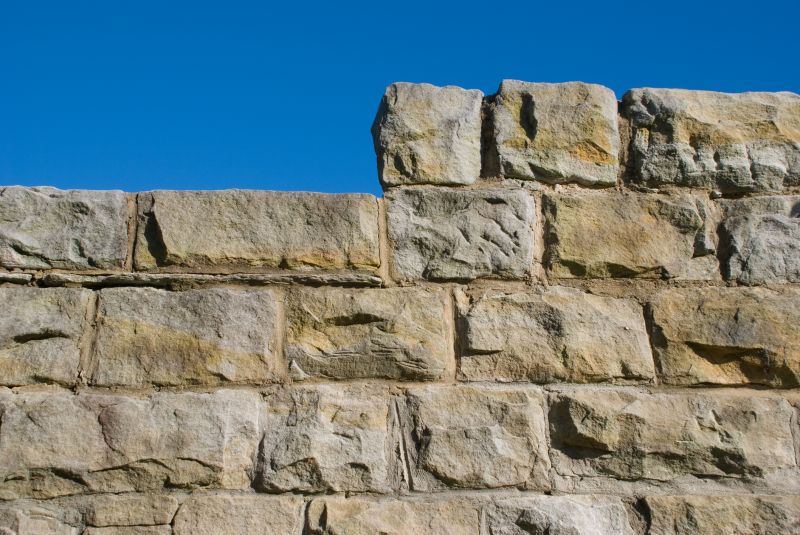
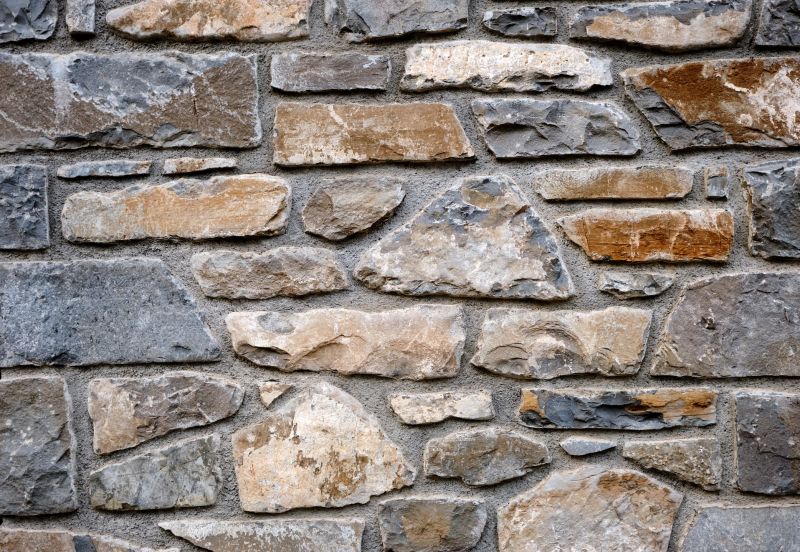
When homeowners search for information about stone masonry versus brick masonry, they are often trying to understand the fundamental differences between these two traditional building methods. The focus tends to be on how each material performs in terms of durability, appearance, and suitability for various projects. Many are exploring options for constructing or restoring features like walls, fireplaces, or facades, and want to know which material will best meet their aesthetic preferences and long-term needs. This type of research is common among property owners planning improvements that involve exterior or interior masonry work, especially when considering the longevity and style of the finished project.
The comparison between stone and brick masonry relates closely to specific problems and planning considerations. For example, homeowners may be dealing with issues like structural stability, weather resistance, or the visual appeal of a property’s facade. They might also be working on projects such as building retaining walls, outdoor fireplaces, or decorative facades that require a durable and attractive finish. Understanding the key differences helps property owners determine which material aligns with their goals-whether that’s creating a rustic, natural look with stone or a more uniform, classic appearance with brick. Local service providers who specialize in stone and brick masonry can help evaluate these needs and recommend the best approach based on the project’s purpose and environmental conditions.
Properties that typically involve stone masonry or brick masonry projects include residential homes, commercial buildings, and historical restorations. Residential properties often feature stone or brick for exterior walls, chimneys, or landscaping features like garden walls and pathways. Commercial properties may use these materials for storefront facades or decorative features that add character and durability. In historic districts or renovation projects, matching existing masonry styles is crucial, making the skill of local pros essential for seamless integration. Each material offers distinct advantages depending on the property’s style, age, and structural requirements, and experienced local contractors can advise on the most appropriate choice for a given property.
Understanding the differences between stone masonry and brick masonry also helps homeowners appreciate how local pros can contribute to their projects. Stone masonry typically involves working with natural stones, which can be irregular in shape and size, providing a rugged, natural look. It often requires specialized techniques to shape and set the stones securely, making it ideal for large, durable features. Brick masonry, on the other hand, uses manufactured bricks that are uniform in size and shape, allowing for precise, clean lines and a more consistent appearance. Local contractors skilled in both methods can guide property owners through selecting the right material, preparing the site, and executing the project to ensure a durable, attractive result tailored to the property’s style and needs.
Stone Veneer Installations - professionals skilled in stone veneer work can help with projects that require the appearance and durability of natural stone, similar to stone masonry techniques.
Fireplace and Chimney Construction - local contractors experienced in building fireplaces and chimneys often utilize masonry skills related to both stone and brickwork to ensure safety and aesthetic appeal.
Retaining Wall Projects - designing and building retaining walls involves planning, structural understanding, and masonry skills common to both stone and brick masonry services.
Facade Restoration - restoring or repairing building facades with masonry materials requires careful planning and craftsmanship similar to key aspects of stone and brick masonry work.
Paving and Walkway Construction - laying stone or brick pavers for pathways involves skills in material handling and layout planning shared with masonry services.
Architectural Masonry Features - creating decorative features such as arches or columns involves detailed planning and masonry skills applicable to both stone and brick projects.
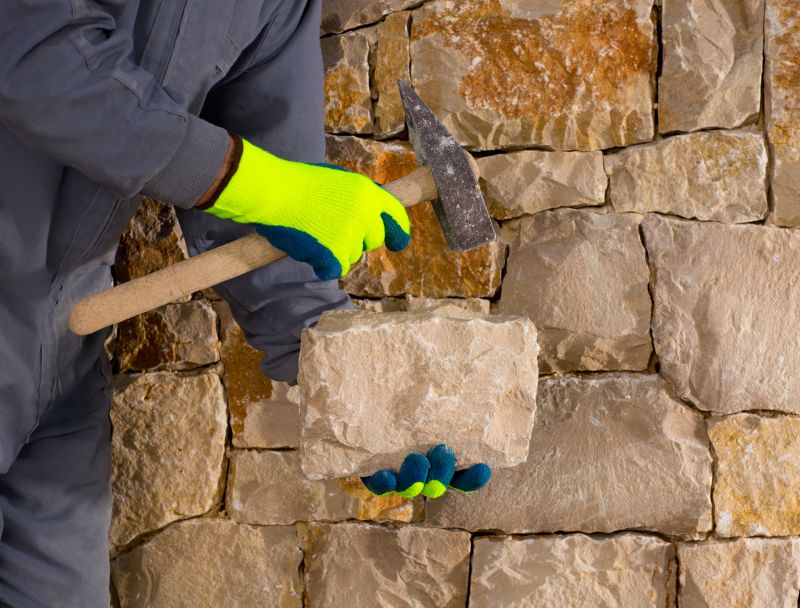
When comparing local contractors for stone masonry versus brick masonry projects, it is essential to evaluate their experience with similar types of work. Stone masonry often involves working with natural stones, which require specialized skills and techniques, while brick masonry typically relies on manufactured bricks that demand different handling and installation methods. Homeowners should seek service providers who have a proven track record with projects comparable to their own, ensuring they are familiar with the unique challenges and best practices associated with each material. Verifying the contractor’s portfolio or references for past work on stone or brick projects can provide valuable insight into their expertise and craftsmanship.
Clear and detailed written expectations are crucial when choosing between stone and brick masonry services. Since these materials vary in appearance, durability, and installation requirements, it’s important that contractors outline the scope of work, materials to be used, and the specific techniques they will employ. A well-defined project plan helps prevent misunderstandings and ensures that the homeowner’s vision aligns with what the service provider can deliver. Asking potential contractors to provide written estimates or project descriptions can help clarify these expectations and serve as a reference throughout the project.
Effective communication and reputable references are key indicators of a reliable masonry service provider. Homeowners should seek out contractors who are transparent about their process and willing to answer questions about their experience with stone or brick projects. Reputable references or reviews from previous clients can offer insights into the contractor’s professionalism, reliability, and quality of work. Good communication ensures that any questions or concerns are addressed promptly, which is especially important when working with natural stone or brick materials that may require specific handling or adjustments during installation. By prioritizing these factors, homeowners can better ensure a successful and satisfying masonry project.
Property owners often search for stone masonry vs. brick masonry: key differences when they are planning practical projects around their homes and businesses. Local pros provide Stone Masonry services for everyday jobs and straightforward project options.

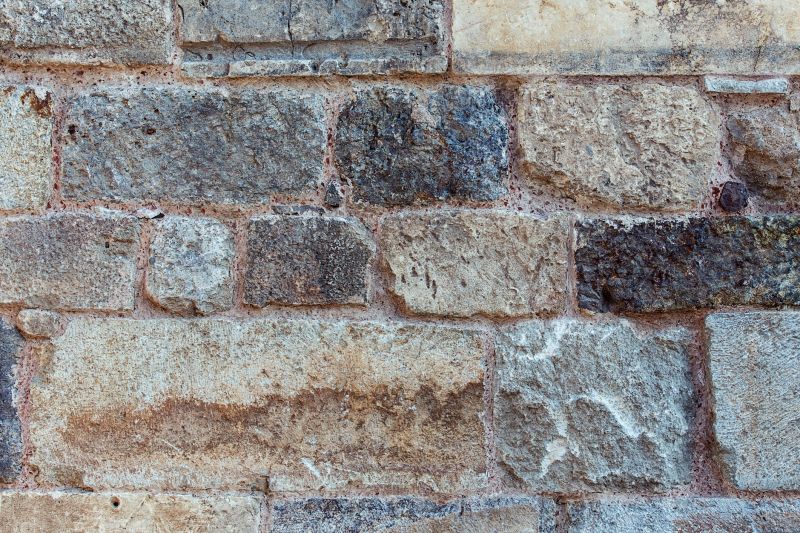
Understanding the differences between stone masonry and brick masonry can help property owners make informed decisions for various projects, such as retaining walls, facades, or outdoor features. Stone masonry typically involves working with natural stones, offering a rugged, timeless appearance that can add a sense of permanence and natural beauty to a property. Brick masonry, on the other hand, uses manufactured bricks, which are often more uniform in size and shape, making them a popular choice for creating smooth, consistent surfaces like walls and fireplaces. When considering these options, property owners may look into local contractors who specialize in stone masonry services to achieve a durable, aesthetically pleasing result that complements the property's style.
For everyday project situations, property owners might seek out local service providers to understand which material best suits their needs, whether for structural strength, visual appeal, or maintenance considerations. Stone masonry can be advantageous for projects requiring high durability and a natural look, while brick masonry might be preferred for its ease of installation and variety of design options. Local pros can provide guidance on the key differences, helping property owners select the right material and ensuring the work is done to meet their expectations. Connecting with experienced stone masonry specialists can ensure that the project benefits from quality craftsmanship tailored to the specific demands of the local environment.
What are the main differences between stone masonry and brick masonry? Stone masonry typically involves using natural stones, offering a durable and timeless appearance, while brick masonry uses manufactured bricks, providing uniformity and easier installation. Local contractors can help determine which material suits specific project needs and aesthetic preferences.
Which type of masonry is more suitable for load-bearing walls? Stone masonry is often preferred for load-bearing applications due to its strength and stability, whereas brick masonry can also be used but may require additional reinforcement. Local service providers can assess the structure to recommend the best option.
How do maintenance needs compare between stone and brick masonry? Stone masonry generally requires less maintenance because of its durability, while brick masonry may need occasional repointing or sealing. Local pros can provide guidance on upkeep based on the chosen material.
Are there differences in the appearance of stone versus brick masonry? Yes, stone masonry offers a natural, varied look with unique textures, while brick masonry provides a more uniform and structured appearance. Local contractors can help select the style that complements the desired aesthetic.
Can stone masonry be used for outdoor projects? Absolutely, stone masonry is highly suitable for outdoor applications like walls and facades due to its weather resistance, and local pros can advise on appropriate stone types and installation techniques for outdoor use.
Choosing durable materials - property owners can work with local contractors to select stone or brick that best suits their climate and aesthetic preferences for long-lasting results.
Designing for structural needs - understanding the differences in strength and flexibility can help property owners plan features like retaining walls or facades with the right masonry type.
Matching style with architecture - local pros can advise on how stone or brick masonry complements existing building styles and enhances curb appeal.
Planning for maintenance requirements - property owners can consider how different masonry types age and choose options that align with their upkeep preferences.
If you are thinking about stone masonry vs. brick masonry: key differences for a property, this guide is meant to help you understand this topic, the typical project types, and how different options might fit your plans.
When you are ready, you can use the quote form on this page to share a few details about your project. From there, local pros can review the basics and follow up with options that match what you have in mind.