Types of Natural Stone Used in Stone Masonry Projects
People seeking stone masonry construction often want expert help selecting and working with various types of natural stone, and local contractors can provide the skilled craftsmanship needed for your project.
If you're considering a stone masonry project for your property, understanding the different types of natural stone used in stone masonry projects can be incredibly helpful. Each variety offers unique qualities, durability, and aesthetic appeal that can influence the overall look and longevity of your construction. Property owners in the area often explore this topic to make informed decisions about materials that best suit their style, environmental conditions, and maintenance preferences. Whether you're planning a decorative feature, a foundation, or an outdoor landscape element, knowing your options helps ensure the results meet your expectations-something local contractors are well-equipped to assist with through their expertise in stone masonry services.
Exploring the different types of natural stone used in stone masonry projects also highlights the importance of working with experienced service providers. Local contractors who specialize in stone masonry can guide you through selecting the right materials for your specific needs, ensuring proper installation and lasting beauty. As you read on, you'll discover the qualities of various stones and how they can complement your property’s design. Connecting with knowledgeable professionals can help turn your vision into reality, making your investment in natural stone both practical and visually striking.
- Retaining walls - property owners seeking durable and visually appealing retaining walls often rely on local contractors experienced with various natural stones.
- Patios and outdoor living spaces - those planning outdoor enhancements look for service providers skilled in selecting and installing natural stones suited for high-traffic areas.
- Fireplaces and hearths - homeowners wanting to add natural stone features to indoor or outdoor fireplaces depend on local pros to recommend appropriate stone types.
- Facades and cladding - building owners aiming to enhance curb appeal and durability of building exteriors seek contractors knowledgeable about different natural stones.
- Pathways and walkways - property managers and homeowners needing long-lasting walkways turn to local service providers experienced in working with various natural stone options.
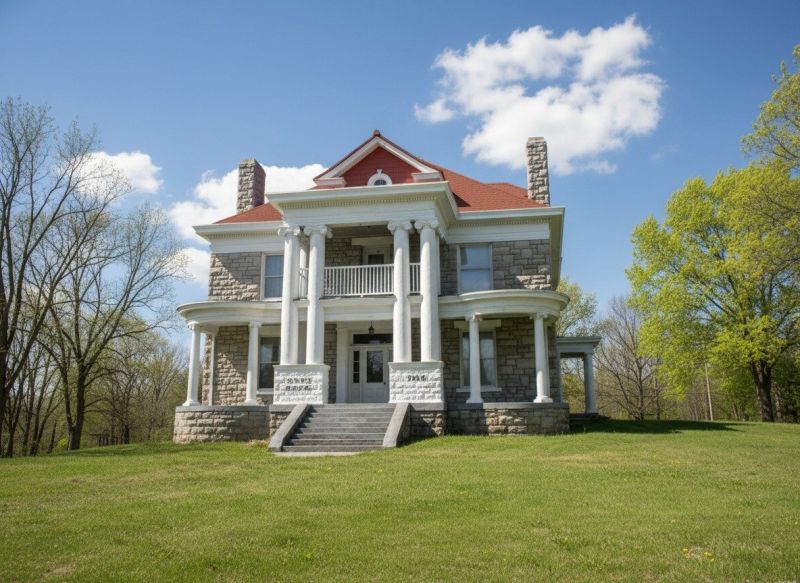
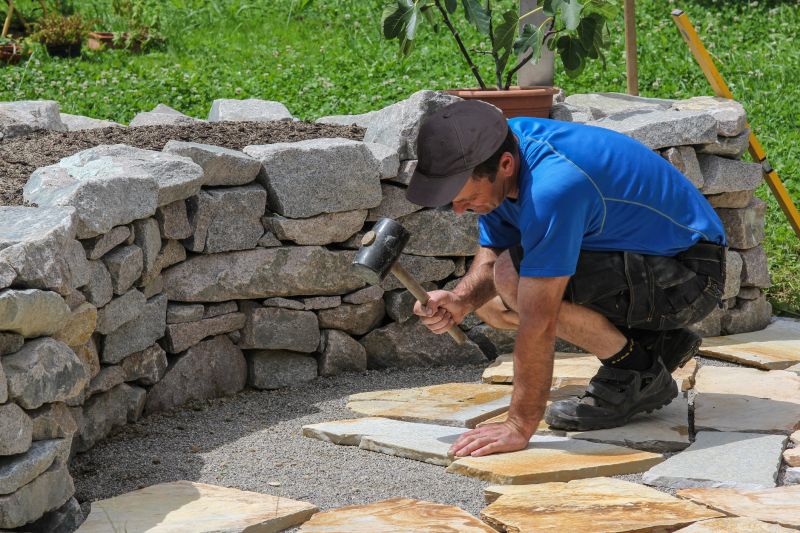
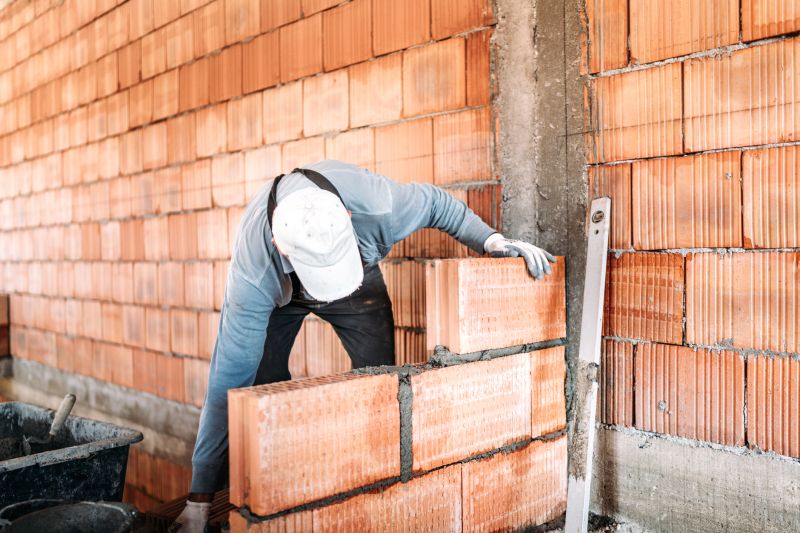
When homeowners search for information about types of natural stone used in stone masonry projects, they often want to understand the different materials available for various construction or decorative purposes. This topic relates to plans such as building or restoring features like exterior walls, fireplaces, patios, or garden accents. People typically seek guidance on which stones are best suited for durability, aesthetic appeal, or specific environmental conditions. Understanding the properties of different natural stones helps homeowners make informed choices that align with their project goals, whether aiming for a traditional look or a modern design.
The types of natural stone used in stone masonry projects encompass a broad range of materials, each with unique characteristics. Common options include granite, known for its strength and resistance to weathering; limestone, valued for its softer texture and ease of shaping; sandstone, appreciated for its variety of colors and workability; and marble, which offers a luxurious appearance but requires careful maintenance. Other stones like slate and fieldstone are also popular for their distinctive textures and natural appeal. These materials are often selected based on factors such as the project's location, structural needs, and aesthetic preferences, with local contractors able to advise on the best options for each application.
Properties of natural stones vary widely, influencing their suitability for different masonry projects. Durability is a key property, with stones like granite and slate standing up well to outdoor elements, making them ideal for exterior facades and paving. Porosity and absorption rates affect how stones handle moisture, which is important for applications exposed to rain or humidity; for example, limestone tends to be more porous than granite. Appearance also plays a significant role-some stones display a fine grain and smooth surface, while others have a rougher, more rustic look. Local service providers can help evaluate these properties in the context of specific project requirements, ensuring that the chosen stone will perform well over time.
Choosing the right type of natural stone is an important step in planning any stone masonry project. Homeowners often rely on local contractors to provide expert guidance tailored to their particular needs, whether it’s selecting a stone that matches the existing architecture or one that withstands the local climate. These professionals can assess the properties of available stones and recommend options that meet both aesthetic and functional goals. By working with experienced local service providers, homeowners can ensure that their project benefits from the appropriate material, resulting in a durable and attractive finished feature that complements their property.
Fireplace Surrounds - skilled stone masons work with natural stone to create durable and aesthetic fireplace surrounds, utilizing similar cutting and shaping techniques as other masonry projects.
Patio and Garden Walls - building outdoor walls with natural stone requires planning, stone selection, and masonry skills comparable to those used in stone veneer and cladding applications.
Water Features and Fountains - constructing water features involves precise stone placement and sealing, aligning with the craftsmanship needed for natural stone installations in masonry work.
Interior Stone Cladding - applying natural stone to interior surfaces demands careful planning and surface preparation, similar to exterior masonry projects involving natural stone.
Stone Steps and Pathways - creating durable stone steps and pathways involves stone cutting, leveling, and setting techniques shared with other stone masonry services.
Monument and Memorial Construction - designing and building monuments with natural stone requires specialized masonry skills, paralleling those used in custom stonework and detailed masonry projects.
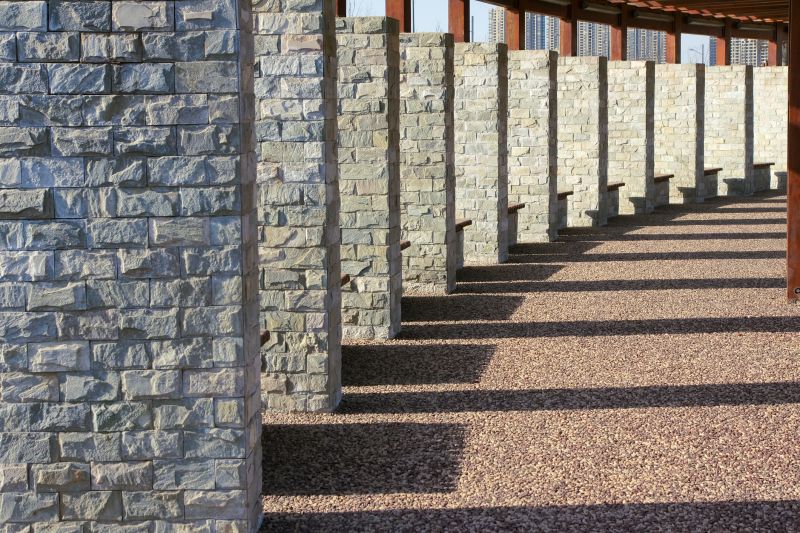
When comparing local contractors for stone masonry projects involving natural stone, it is important to consider their experience with similar types of projects. Homeowners should seek out service providers who have a proven track record working with the specific kinds of natural stone they are interested in, whether that’s granite, limestone, sandstone, or other materials. An experienced contractor will be familiar with the unique properties and installation techniques required for different stones, which can impact the durability and appearance of the finished work. Reviewing portfolios or project histories can help gauge whether a contractor has successfully handled projects comparable in scope and material, providing confidence in their ability to meet expectations.
Clear written expectations are essential when evaluating stone masonry services. Homeowners should look for service providers who can articulate their approach to working with natural stone, including details about material selection, preparation, and installation methods. A detailed scope of work, including specifications for the types of natural stone used, can help prevent misunderstandings and ensure that everyone is aligned on the project’s goals. Having well-defined expectations in writing also makes it easier to compare proposals and assess whether a contractor’s approach aligns with the homeowner’s preferences for quality and outcome.
Reputable references and good communication are key factors in selecting a dependable stone masonry contractor. Homeowners should ask for references from previous clients who had similar projects involving natural stone, to gain insights into the contractor’s reliability and craftsmanship. Additionally, service providers who are responsive, transparent, and willing to answer questions throughout the planning and execution phases tend to foster a smoother experience. Effective communication ensures that project details, such as the choice of natural stone types and installation expectations, are clearly understood, reducing the likelihood of surprises or dissatisfaction once work begins.
Property owners often search for types of natural stone used in stone masonry projects when they are planning practical projects around their homes and businesses. Local pros provide Stone Masonry Construction services for everyday jobs and straightforward project options.
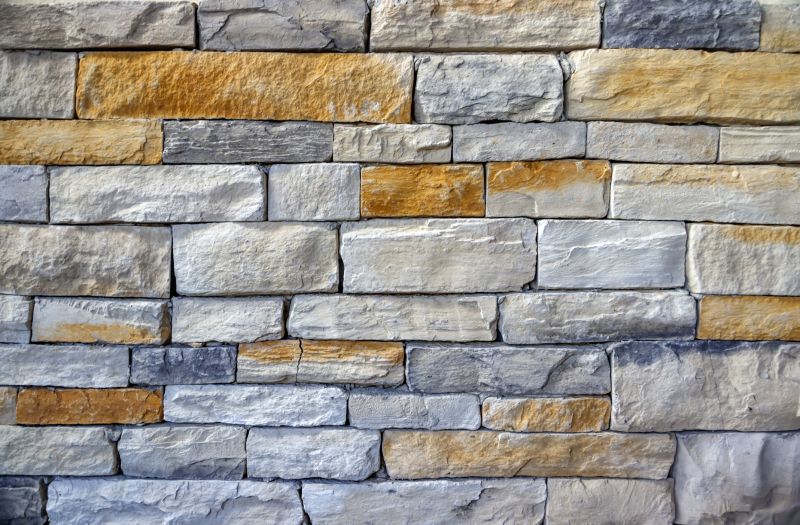
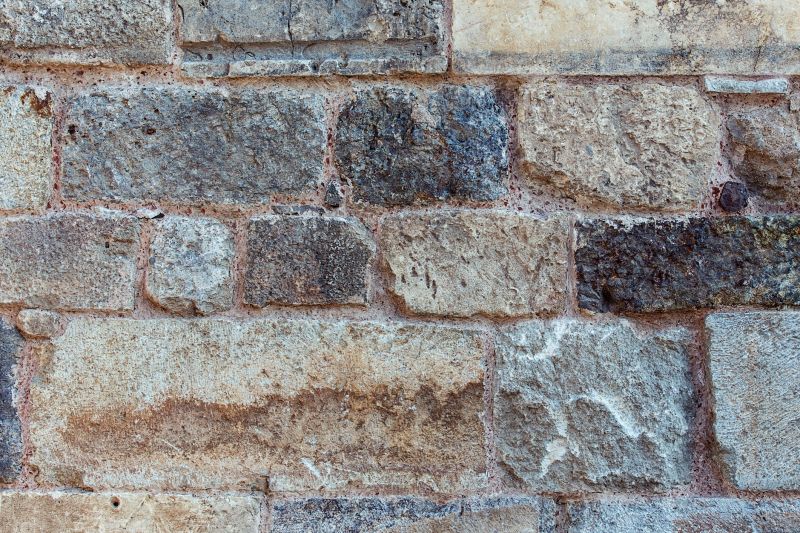
Understanding the types of natural stone used in stone masonry projects can help property owners make informed decisions when planning outdoor features like patios, garden walls, or fireplace surrounds. Common options such as granite, limestone, sandstone, and marble each bring unique qualities in appearance, durability, and maintenance needs. Homeowners in the area often look up this information to ensure their chosen stone complements their property’s style and withstands local weather conditions, ultimately helping them select materials that will last and look great over time.
When considering stone masonry construction, working with experienced local contractors can ensure the right selection of natural stone for each project. Skilled service providers can advise on the best types of natural stone based on the project’s purpose, aesthetic preferences, and environmental factors. Connecting with local experts can simplify the process of sourcing quality materials and ensure the work is completed with attention to detail, resulting in a durable and attractive finished product that enhances the property's value and curb appeal.
What are common types of natural stone used in stone masonry projects? Common types include granite, limestone, sandstone, marble, and slate, each offering different aesthetic and structural qualities for masonry work.
How does the choice of natural stone affect the durability of a masonry project? Different stones have varying resistance to weathering and wear; local contractors can help select the most durable options suited to the project's environment.
Are there specific types of natural stone best suited for exterior masonry work? Yes, stones like granite, sandstone, and certain limestones are popular for exterior use due to their weather resistance and longevity, with local service providers able to recommend suitable options.
Can natural stone types influence the overall style of a masonry project? Absolutely, materials like marble and slate can create different visual effects, and experienced contractors can advise on the best choices to match the desired aesthetic.
How do local contractors determine the appropriate natural stone for a specific project? They consider factors such as climate, structural needs, and design preferences, helping ensure the selected stone meets the project's functional and aesthetic requirements.
Durability of natural stone - Understanding the durability of different types of natural stone can help property owners choose materials suitable for outdoor pathways and retaining walls, with local contractors providing expert installation.
Color and texture options - Selecting natural stones with specific colors and textures allows for customized aesthetic designs in features like fireplaces or garden accents, with local pros offering guidance on material selection.
Ease of working with specific stones - Knowing which stones are easier to cut and shape can influence project planning for features such as decorative facades or custom sculptures, supported by experienced masonry specialists.
Suitability for specific environments - Recognizing which natural stones perform well in wet or high-traffic areas helps property owners plan for durable, long-lasting surfaces, with local contractors advising on the best options.
If you are thinking about types of natural stone used in stone masonry projects for a property, this guide is meant to help you understand this topic, the typical project types, and how different options might fit your plans.
When you are ready, you can use the quote form on this page to share a few details about your project. From there, local pros can review the basics and follow up with options that match what you have in mind.